


Sylheti
Recognition of the language, the right to report it, the revival of Nagri, and a voice for the valley. An identity shared across every community.
ꠍꠤꠟꠐꠤ ছিলটী Sylheti
A movement of young Sylheti-speaking Indians, working for the recognition of a language, a script and a people that have shaped this region for centuries.
Twenty-six sepoys fell on a hill 20 km from Karimganj. Walk through the march, the morning, and the names.
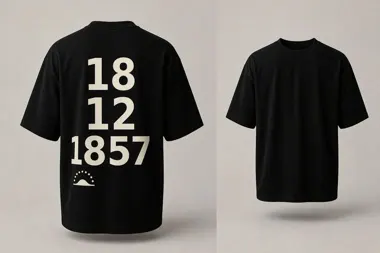
Enter the history →Clothing and gear carrying the hill and its 26 dots. Made by a women's cooperative in the valley.
Shop the line →Write any name in our own script, then send it as a postcard to someone who has never seen it.
Write a name →Sylheti is the everyday language of the Barak Valley: Cachar, Karimganj and Hailakandi. It is spoken in Hojai, across northern Tripura, in Shillong and in Jiribam.
It has its own script and centuries of written literature. Yet census classification folds it into a larger language, so millions of speakers never appear as themselves.
We are asking for Sylheti to be counted, recognised, taught and heard. Not against any language. For our own.
Our foundation
Three words, three commitments.
Recognition of the language, the right to report it, the revival of Nagri, and a voice for the valley. An identity shared across every community.
Public investment for the valley
Flood protection that lasts, budgets decided closer to the people, and investment in jobs, rail, roads and connectivity.
Sylheti is spoken by Hindus and Muslims alike. Our strength is holding both together, openly and honestly.
Our script
32 letters: 5 vowels and 27 consonants. Tap any letter.
Coming up
An introductory writing workshop for young people, covering the full alphabet.
A panel on linguistic rights, the census and how mother tongues are counted.
Recording elders' memories and flood accounts, with consent, for the archive.
A dawn walk to the hill where twenty-six sepoys fell on 18 December 1857, joining the annual tribute.